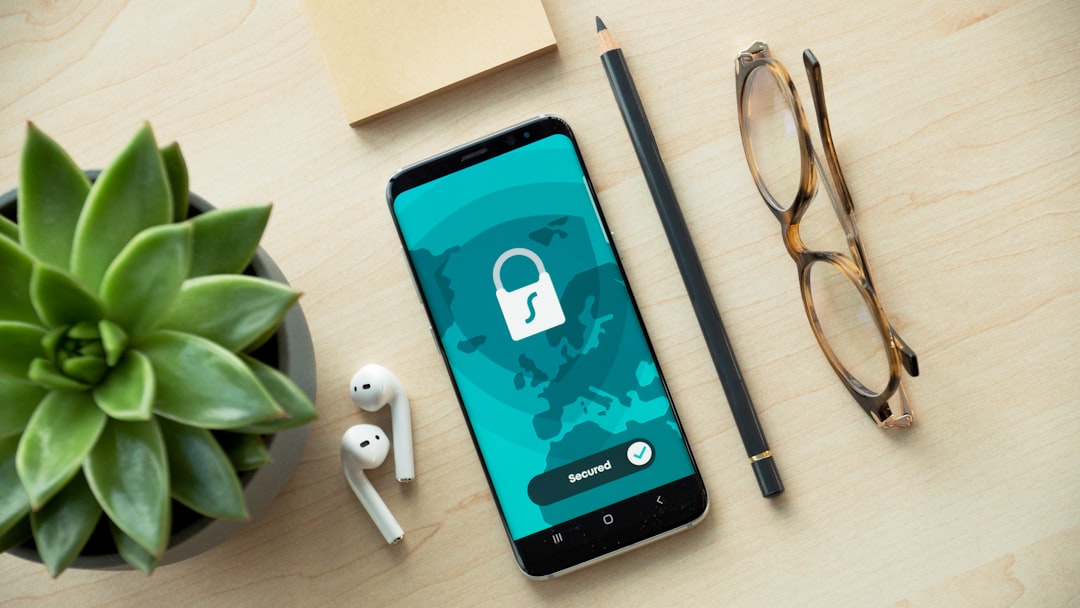
Water and electronics traditionally mix about as well as oil and water, yet modern lifestyles increasingly demand phones accompany us into aquatic environments. Whether capturing underwater photos during snorkeling adventures, navigating while kayaking, or simply ensuring your phone survives unexpected rain showers or poolside accidents, waterproof cases provide essential protection that standard cases cannot offer. Understanding the technology, limitations, and proper usage of waterproof cases ensures your phone stays functional in wet conditions.
The waterproof case market has evolved dramatically over the past decade. Early options were bulky, compromised touch sensitivity, and often failed when users needed them most. Modern waterproof cases use advanced sealing technologies and materials that maintain phone functionality while providing genuine water protection. However, not all cases marketed as waterproof deliver on their promises, making informed purchasing decisions critical for anyone serious about protecting their phone around water.
Understanding IP Ratings
The IP rating system provides standardized information about a device's or case's resistance to solid particles and liquids. The rating consists of two digits: the first indicates protection against solids like dust, while the second addresses liquid protection. For waterproof cases, the second digit matters most, with ratings from IPX7 to IPX8 indicating true waterproof capabilities rather than mere water resistance.
An IPX7 rating means the device can withstand immersion in water up to 1 meter deep for up to 30 minutes. This protection suffices for accidental drops into pools or brief underwater photo sessions in shallow water. IPX8 ratings indicate protection during continuous immersion beyond 1 meter, with the specific depth and duration varying by manufacturer. Some premium cases achieve IPX8 ratings for depths up to 10 meters for extended periods, enabling serious underwater photography and water sports use.
Understanding that IP ratings reflect controlled laboratory testing conditions is crucial. Real-world conditions including water pressure from movement, temperature variations, and case wear over time can affect waterproof performance. Additionally, IP ratings test against fresh water, while saltwater's corrosive properties and chlorinated pool water can degrade seals faster than pure water. These factors mean treating IP ratings as minimum capabilities rather than guarantees of performance in all aquatic scenarios.
Types of Waterproof Cases
Waterproof cases fall into several categories, each with distinct advantages and use cases. Pouch-style cases represent the most affordable option, consisting of sealed plastic bags with waterproof closures. These universal cases fit multiple phone models and provide basic waterproof protection for beach days or poolside use. However, pouch cases typically compromise touch sensitivity and button functionality, making them better suited for passive protection than active phone use in water.
Hard shell waterproof cases offer superior protection and functionality compared to pouches. These phone-specific cases feature rigid construction with rubber gaskets creating watertight seals around all openings. Quality hard shell cases maintain excellent touch sensitivity through optically clear membranes and include sealed buttons that function nearly as well as the phone's original controls. The trade-off comes in increased bulk and weight compared to standard protective cases, though modern designs have minimized this compromise considerably.
Hybrid cases combine waterproof capabilities with other protective features like shock absorption and military-grade drop protection. These comprehensive protection solutions appeal to users facing multiple environmental hazards, from construction workers on boats to adventure travelers exploring diverse terrain. While hybrid cases represent the bulkiest option, their all-in-one protection eliminates the need to switch cases based on activities, simplifying life for users with varied protection needs.
Touchscreen Functionality Underwater
One of the most significant challenges waterproof cases face is maintaining touchscreen functionality in aquatic environments. Standard capacitive touchscreens detect the electrical properties of your finger, but water interferes with this detection, often making touchscreens unresponsive underwater. This limitation affects all waterproof cases to some degree, though design can minimize the impact.
The most effective solution involves using physical buttons for underwater operation. Many waterproof cases include dedicated camera buttons that work reliably underwater, allowing photo capture without touchscreen interaction. For phones with physical volume buttons, these can often be programmed to trigger the camera shutter, providing backup control when touchscreens fail. Understanding your phone's button controls before submersion prevents frustration when touchscreen becomes unreliable.
Some premium waterproof cases incorporate capacitive button technology that maintains limited touchscreen functionality underwater. These cases use special membranes and clever engineering to enable basic swipes and taps, though performance remains inferior to normal touchscreen operation. Users should test underwater functionality in safe controlled environments before relying on it during important activities or in challenging conditions where phone failure could prove problematic.
Audio and Photography Considerations
Waterproof cases must seal against water while maintaining functionality for speakers, microphones, and cameras. This presents significant engineering challenges, with varying success across different case designs. For audio, most waterproof cases include special membranes over speaker and microphone ports that allow sound passage while blocking water. These membranes affect audio quality to varying degrees, with cheaper cases significantly muffling sound while premium options maintain clearer audio.
Underwater photography represents a primary use case for many waterproof cases, making optical quality crucial. The membrane covering the camera lens must be optically clear without introducing distortion, color shifts, or light loss. Quality cases use multi-element optical windows that maintain image quality comparable to uncovered lenses, while budget options may produce soft or discolored underwater photos. Testing photo quality in both above and below water conditions before important shoots prevents disappointment from discovering quality issues too late.
Lens fog represents a common problem with waterproof cases, particularly when moving between different temperature environments. Warm air trapped inside cases can condense on the cool lens membrane when entering cold water, creating fog that ruins photos. Anti-fog treatments and designs incorporating small moisture-absorbing packets help mitigate this issue. Some users find that brief case submersion before adding the phone allows internal air to equilibrate with water temperature, reducing fog formation.
Proper Testing and Maintenance
Never trust a waterproof case without first testing it thoroughly. The most critical testing involves verifying the seal with paper towels or tissues before risking your phone. Place dry paper towels inside the empty case, seal it completely, and submerge in water for the duration and depth you plan to use it. After submersion, open the case and inspect the paper for any moisture. Even slight dampness indicates seal failure that would damage your phone, requiring troubleshooting or case replacement before actual use.
Regular seal inspection and cleaning maintain waterproof integrity over time. Examine rubber gaskets before each use for cracks, permanent compression, or debris that could compromise the seal. Even tiny sand grains or lint can create water entry points, making thorough cleaning essential after beach or outdoor use. Many waterproof case manufacturers recommend replacing gaskets annually or after a certain number of uses, as rubber compounds degrade over time even with careful maintenance.
Understanding that waterproof cases have limited lifespans helps prevent false security. The seals and membranes that provide water protection gradually degrade through repeated use, UV exposure, and contact with chemicals in pool water or sunscreen. Replacing waterproof cases every 1-2 years for regular users or after any severe impacts ensures continued reliable protection. The cost of a replacement case pales in comparison to water-damaged phone repair or replacement costs.
Activity-Specific Recommendations
Different water activities demand varying waterproof case characteristics. For swimming and snorkeling in pools or calm ocean waters, IPX7 or IPX8 cases rated to 3-6 meters provide adequate protection. The relatively controlled environment and shallow depths mean basic waterproof cases function reliably, with touch sensitivity and audio quality taking priority over extreme depth ratings. Lanyard attachment points prove valuable for keeping phones secure during active swimming.
Surfing, kayaking, and water sports involving higher speeds and impacts require cases combining waterproof protection with shock absorption. The forces involved when a phone impacts water at speed or gets knocked against hard surfaces demand rugged construction beyond basic waterproofing. Cases designed specifically for action sports typically include floating features that prevent phones from sinking if cases detach, along with secure mounting options for helmets or equipment.
Serious scuba diving and deep water activities demand professional-grade waterproof cases with depth ratings of 10 meters or more. These specialized cases cost significantly more than basic waterproof protection but provide the pressure resistance necessary for serious underwater photography. Divers should verify that cases are rated for their maximum intended depth with safety margin, as depth ratings represent maximum capabilities that shouldn't be pushed to limits where seal failure could occur.
Common Mistakes and How to Avoid Them
The most common and costly mistake involves assuming water resistance means waterproof. Many phones now include water resistance ratings, typically IP67 or IP68, leading users to believe they don't need waterproof cases. However, manufacturer water resistance ratings cover accidental splashes and brief submersions in ideal conditions, not sustained underwater use or real-world scenarios involving saltwater, chlorine, or water pressure from movement. Waterproof cases provide crucial additional protection even for water-resistant phones.
Opening waterproof cases in humid environments or immediately after removing from water risks moisture entering the case when seals break. Best practice involves thoroughly drying the exterior and allowing the case to return to ambient temperature before opening. This simple precaution prevents condensation or water droplets from reaching your phone during the vulnerable moment when seals open. Taking time for proper drying has saved countless phones from water damage despite effective case protection during submersion.
Overlooking the importance of regular seal testing leads to preventable water damage. Users often install phones in waterproof cases at the beginning of a vacation or season and leave them installed for weeks or months without retesting. Environmental factors, repeated opening and closing, and simple seal degradation can compromise protection over time. Quick paper towel tests before each significant water exposure take minutes but provide invaluable peace of mind that protection remains intact.
Future of Waterproof Protection
Waterproof technology continues advancing, with several emerging trends promising improved protection and functionality. Nano-coating technologies that make electronics inherently water-resistant may eventually reduce or eliminate the need for bulky waterproof cases. These molecular-level coatings repel water while maintaining device functionality, though current implementations don't provide the comprehensive protection of quality waterproof cases for serious aquatic activities.
Improved materials and manufacturing techniques are creating waterproof cases with minimal bulk and enhanced functionality. Cases now emerging that approach slim case dimensions while maintaining IPX8 ratings demonstrate how far technology has progressed. As these advanced cases become more affordable and widely available, the protection compromise between waterproofing and slim design will continue narrowing, benefiting all users who need occasional water protection without committing to bulky cases full-time.